What Makes a Truly Great Black Tea A Buyer’s Guide
- Dhuha Fatima

- Oct 8, 2025
- 1 min read
Black tea is one of the most popular types of tea worldwide, cherished for its robust flavor and versatility. Its deep, taste serves as the perfect base for various blends, making it a staple in tea culture around the globe. But with so many varieties and brands to choose from, how do you know which black tea is truly great? In this buyer's guide, we'll explore the characteristics that make an exceptional black tea, delve into popular black tea varieties, and provide tips for selecting the best black teas to suit your taste. Whether you’re an occasional tea takers or a seasoned connoisseur, understanding these nuances will enhance your tea taking experience.
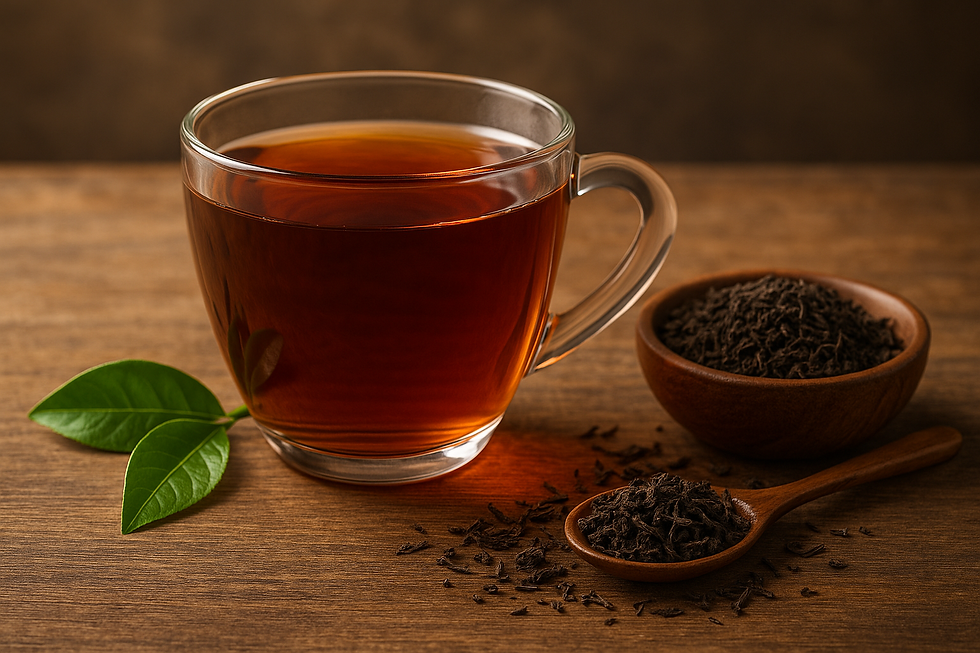
Black tea is known for its bold flavor and deep color, which results from a full oxidation process that the tea leaves undergo during production. This oxidation differentiates black tea from green, white, and oolong teas, which are less oxidized. The journey of black tea from leaf to cup involves a meticulous process that not only enhances its color but also its flavor profile, making it a favorite among those who prefer a stronger brew. Understanding the intricacies of this process can provide insight into why certain black teas stand out from others.
The Oxidation Process
The oxidation process is crucial in defining the flavor, taste, and color of black tea. During oxidation, tea leaves are exposed to air, which allows enzymes to react with oxygen. This process darkens the leaves and intensifies the flavor profile. A properly oxidized black tea will exhibit a luxury, complex taste with notes ranging from malty to fruity. The duration and conditions under which oxidation occurs can significantly alter the final product, influencing everything from sweetness to astringency. The skill of the tea master in controlling this process is what often separates a good black tea from a truly exceptional one.
Quality Indicators
When evaluating black tea, consider the following quality indicators:
Leaf Appearance: High quality black tea leaves should be whole, with a uniform size and shape. Avoid broken leaves and tea dust, which can result in a bitter brew. Whole leaves not only promise a smoother, more consistent flavor but also indicate careful handling and processing.
Taste: Fresh black tea should have a pleasant, inviting taste. Stale or musty smells indicate poor storage or age. The taste can provide the first clue about the tea's freshness and quality; a vibrant scent often suggests a vibrant taste.
Flavor: A superior black tea will have a balanced flavor with a smooth finish. It should not taste overly bitter or astringent. Tasting notes should be harmonious, with no single element overpowering the others, allowing the complexity of the tea to shine through.
Popular Black Tea Varieties
There are several popular black tea varieties, each with its unique characteristics. Each region where black tea is grown imparts its distinct influence on the flavor and taste, often due to differences in climate, soil, and altitude. Let's take a closer look at a few of the most renowned:
Read More: Top 10 Best Black Teas to Try in 2025
Assam
Assam black tea hails from the Assam region of India. It is known for its strong, malty flavor and vibrant, dark color. The climate of Assam, with its heavy rainfall and humid conditions, contributes to the boldness of its tea. Assam tea is often used in breakfast blends due to its bold taste and ability to pair well with milk and sugar. Its robust nature makes it a popular choice for those who enjoy a hearty, full-bodied cup to start their day.
Darjeeling
Darjeeling is often referred to as the "Champagne of Teas" due to its delicate flavor and taste. Grown in the Darjeeling district of India, this tea offers a light, floral taste with muscatel notes. The unique terroir of the Himalayan foothills where Darjeeling is cultivated imparts a distinctive character that is unlike any other tea. Darjeeling tea is typically enjoyed without milk to appreciate its subtle nuances. Its elegance and complexity make it a prized possession in any tea collection.
Ceylon
Ceylon black tea comes from Sri Lanka and is distinguished by its brisk, citrusy flavor. The diverse elevations at which Ceylon tea is grown can result in a wide range of flavor profiles, from full-bodied to light and delicate. It is a versatile tea that can be enjoyed plain or with milk and sweeteners. The flavor profile can vary depending on the region and altitude where it is grown, offering a delightful exploration for tea enthusiasts looking to discover the diversity within Ceylon teas.


Comments